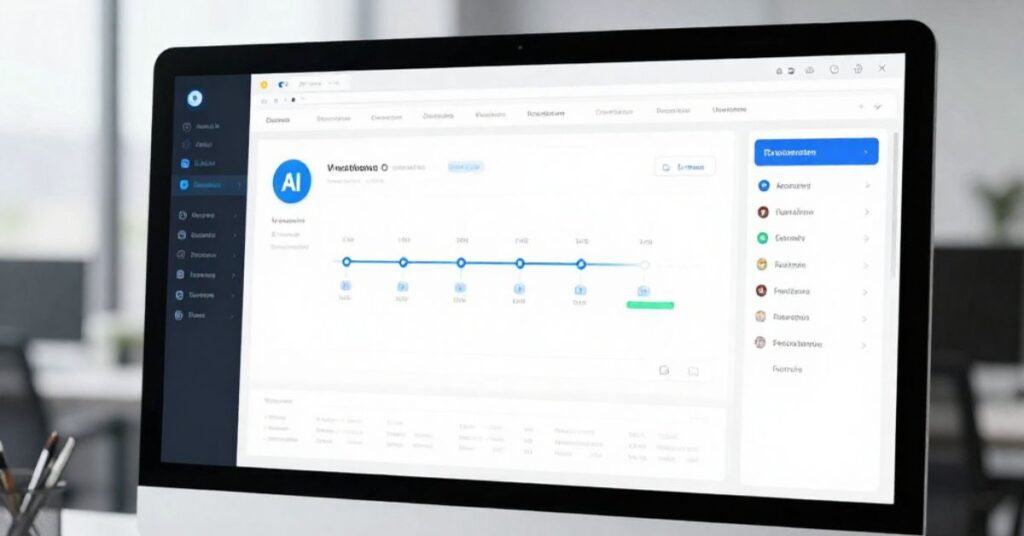
Introduction
In an era where digital transformation defines competitive edge, platforms like Troozer.com are gaining attention for their forward-thinking technological integrations. Whether you’re a business professional searching for automation tools, a startup exploring workflow optimization, or a tech enthusiast curious about emerging platforms, understanding Troozer’s capabilities is vital.
Troozer.com stands out with its robust, cloud-based infrastructure offered at scale—enabling companies to streamline operations, integrate advanced AI systems, and improve data-driven decision-making. As of 2025, it’s emerging as a serious player in the SaaS and workflow automation ecosystem, offering functionality that spans CRM, productivity, and intelligent workflow engines.
This in-depth article will explore Troozer.com through a technological lens—breaking down its architecture, features, integrations, scalability, and use cases. We’ll also examine how it compares with existing digital tools and platforms, with fresh insights for this year.
What is Troozer.com?
Troozer.com is a cloud-based platform offering intelligent workflow automation and business process solutions. Primarily aimed at SMBs and enterprise clients, it allows users to build, run, and optimize operational workflows with minimal technical overhead.
Instead of fragmented tools, Troozer offers a unified system that bridges CRM, enterprise resource planning, task automation, and user communication into one accessible interface. This reduces tool fatigue and boosts productivity across teams.
It caters to:
- Growing businesses needing scalable systems
- Enterprises looking to reduce operational drag
- Digital transformation consultants
- Developers building integrations with low-code support
By adopting a modular, API-first architecture, Troozer sits comfortably beside SaaS giants while offering affordability and flexibility—two pillars necessary for digital acceleration in 2025.
Technology Stack Powering Troozer
Behind Troozer’s seamless UI lies a modern, dynamic architecture built for flexibility and scale. Understanding its technology stack helps users evaluate integration potential and performance reliability.
Key Components:
- Backend: Node.js with microservices architecture
- Frontend: React.js and Vue.js (select areas)
- Database: PostgreSQL for structured data, Redis for caching
- AI Layer: Integration with OpenAI APIs, TensorFlow for ML modules
- Cloud Setup: AWS for hosting, with Kubernetes managing container orchestration
- Security: OAuth 2.0, TLS encryption, SSO (Single Sign-On)
Comparison Table – Troozer vs Traditional Platforms:
| Feature | Troozer.com | Legacy Tools (e.g., Zoho, Basecamp) |
|---|---|---|
| Hybrid AI Capabilities | Included (GPT integration) | Limited or addon only |
| Custom Workflow Builder | Yes (Drag & drop UI) | Basic or not available |
| Open API Access | Comprehensive | Often limited |
| Cloud Native Scalability | Yes | Often semi-cloud or self-hosted |
Troozer’s full-stack integration allows flexibility for large-scale deployments without losing performance on mid-tier operations.
Key Features and Core Components
Troozer focuses on harmonizing business processes through flexible yet intuitive features. While many software options offer specific tools, Troozer offers a platform approach.
Core Features Include:
- Visual Workflow Builder: A canvas to map and automate end-to-end tasks
- CRM Integration: Unified contact and deal management
- Document Sync: Auto-sync with systems like Google Drive, OneDrive
- Team Collaboration Tools: Comment threads, file sharing, and meeting scheduling
- Role-Based Access Control: Dynamically set user privileges and data access
- Analytics Dashboard: Real-time insights from workflow performance to user behavior
Chart: Workflow Automation Usage Increase (2020–2025)
| Year | Businesses Using Troozer-like Platforms |
|------|----------------------------------------|
| 2020 | 23%                                    |
| 2021 | 34%                                    |
| 2022 | 47%                                    |
| 2023 | 58%                                    |
| 2024 | 69%                                    |
| 2025 | 78% (Projected)                        |
This rise is driven by the growing need for agile workflow technologies that adapt quickly.
AI & Automation Integration
One of Troozer’s strongest competitive advantages lies in its native AI integrations.
Through built-in connections with LLMs like OpenAI and natural language processing APIs, Troozer’s automation engine can:
- Auto-tag and prioritize tickets based on urgency and sentiment
- Generate customer communication drafts
- Predict bottlenecks in workflow development
- Offer chat-based automation building tools
Its automation module supports:
- Trigger-based actions
- Scheduled automations
- Human-in-the-loop workflows
This sets it apart from generic tools where AI feels tacked on rather than fully embedded.
Use Cases Across Different Industries
Troozer.com isn’t a one-size-fits-all solution―it’s designed for multi-industry adaptability. Here are some standout use cases:
Healthcare
- Automated patient intake forms
- Role-based document access across departments
- Compliance-tracking dashboards
E-commerce
- Order-to-fulfillment automation workflows
- Integration with Shopify or WooCommerce
- Real-time inventory syncing
Legal Firms
- Smart document routing
- Contract version tracking
- Appointment scheduling automation
SaaS / IT Firms
- Onboarding and offboarding automation
- Customer success workflows
- Bug tracking integrations with GitHub/Jira
By consolidating multiple functions, Troozer minimizes tool hopping and human error across sectors.
Interface and User Experience (UX)
With mobile-first design at its core, Troozer excels in accessibility and visual simplicity.
Notable UI/UX Benefits:
- No-code builder: Intuitive enough for operations teams
- Dark mode & customizable dashboards: A bonus for tech-savvy users
- Speech-to-task assignments: (Beta for 2025)
Feedback from users confirms that the user interface is faster and less cluttered than older tools like Airtable and Asana.
Plus, its minimalist design doesn’t sacrifice function—every workflow element can be deeply customized.
Scalability & Customization Options
Troozer is built to scale—from teams of five to enterprises with 5,000+ users.
Scalability Includes:
- Cloud elastic compute capability
- Unlimited workflows per org
- Modular plug-ins for custom extensions
Customization Features:
- Custom APIs
- Multi-level user role definitions
- Workflow templates tailored by department
Its ability to scale securely without licensing bottlenecks makes it ideal for growth-stage teams who don’t want to outgrow their software in two years.
Security, Compliance & Trust Signals
In 2025, security isn’t negotiable. Troozer aligns with global standards in enterprise compliance and data security.
Security and Compliance Highlights:
- ISO 27001 Certified
- SOC 2 Type II Attested
- GDPR/HIPAA Ready
- Regular Penetration Testing
- SSO & MFA Support
These trust signals are crucial for organizations handling sensitive data—from healthcare records to financial transactions.
Business Model and Pricing Structure
Unlike rigid pricing plans of competitors, Troozer offers tiered solutions based on module usage and user count, making it flexible for all business sizes.
Troozer 2025 Pricing Overview:
| Plan | Monthly Cost (per user) | Key Inclusions |
|---|---|---|
| Starter | $14 | Basic workflows + CRM |
| Growth | $29 | Automations + team collaboration |
| Enterprise | Custom Quote | AI modules + compliance features |
Freemium models are available with limited automation usage and team size, ideal for teams exploring before upgrading.
Future Outlook and Innovations for 2025
Troozer’s roadmap for 2025 reveals a strong commitment toward AI democratization, predictive analytics, and integrations.
Upcoming Features:
- AI Assistant CoPilot for onboarding workflows
- Deeper Zapier Alternatives for no-code integrations
- Blockchain-based audit logs (Q4 2025)
- AR-compatible reporting dashboards
These innovations, combined with fast adoption by SMBs and tech-first enterprises, suggest Troozer isn’t just a trend—it’s part of the digital future fabric.
FAQ
Is Troozer.com free to use?
Troozer offers a free plan with limited workflows and user access.
Can it integrate with Google Workspace or Microsoft 365?
Yes, seamless integrations with both platforms are built-in.
Is Troozer safe for handling medical data?
Yes, it is HIPAA-compliant and secure for healthcare workflows.
Is coding required to use Troozer?
No coding is needed—it’s designed for non-technical users.
Does Troozer offer 24/7 support?
Yes, enterprise plans include 24/7 priority support.
Conclusion
Troozer.com is gaining traction in 2025 as a robust, intelligent workflow platform tailored for modern business needs. Its AI-first approach, security-first architecture, and highly customizable workflows empower organizations across sectors to digitize faster and smarter.
If your team is aiming to streamline operations, integrate AI into core systems, or escape the tangle of fragmented tools, Troozer could be your ideal next step.