Introduction
In the broad timeline of interactive web-based experiences, few can match the charm and nostalgia of simple browser games. One such gem is the Year of the Snake Google Game, first celebrated during the Lunar New Year celebrations. While it may seem minimalistic on the surface, the game holds deeper cultural and technological significance. In 2025, it continues to hold a soft spot in the hearts of a global audience looking for fun, nostalgia, and a subtle lesson in game design.
Beyond a casual time-killer, this game serves as a case study in how tech giants like Google use interactive content to drive engagement, spread cultural awareness, and showcase their evolving design ethos. Whether you’re a casual gamer, a UI/UX enthusiast, or just discovering it for the first time, this article will guide you through the game’s past, present, cultural impact, and relevance in modern web technology.
What is the Year of the Snake Google Game?
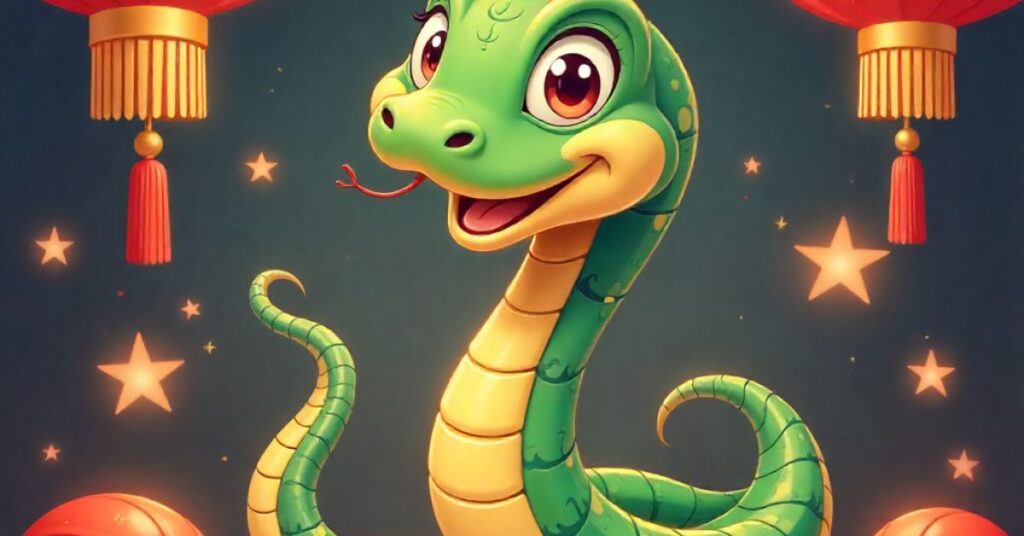
The Year of the Snake Google Game is a mini web-based arcade-style game released by Google as part of its celebration of the Lunar New Year. Designed in the spirit of the traditional “Snake” arcade game, it commemorated the Chinese Zodiac year of the Snake.
Players guide a multi-segmented snake to eat objects (representing festive items or symbols), growing in length while avoiding collisions with walls and its own body. It’s a blend of retro aesthetics and cultural storytelling—something that’s rarely done this well in browser games.
Key Elements:
- Retro graphics inspired by early 2000s mobile games
- Cultural elements like red lanterns, lucky coins, dragons
- Accessible via Google homepage during Lunar New Year festivities
By blending tradition and technology, Google created more than a game—it delivered a brief cultural lesson through interactivity.
The Origins: Lunar New Year Meets Tech Innovation
In 2013—the original Year of the Snake—Google took a significant leap in marrying cultural storytelling with technology by releasing a playable Doodle. The game captured both the celebratory mood of the Lunar New Year and the tech-forward persona Google is known for.
But why does this matter in 2025?
Modern tech trends increasingly focus on cross-cultural digital experiences. The Year of the Snake game was among the first interactive Doodles that shifted from observation to participation. It underscored a key trend: turning passive browsing into active engagement.
Cultural Recognitions Featured in the Game:
- Firecrackers (arms the snake for battle mode)
- Red Envelopes (bonus points)
- Festive dragon dances (level transitions)
Google used HTML5, playable Doodle mechanics, and lightweight code to ensure global usability, even in low-bandwidth regions—a key innovation in early web-based game design.
Game Mechanics and Design Philosophy
While the original Snake game dates back to the late 1970s, Google’s rendition emphasizes modern web standards and intuitive design.
Gameplay Overview:
- Arrow keys or swipe gestures control direction
- Objects collected increase the snake’s length
- Colliding with walls or self ends the game
- Scores are tracked and ranked
Design Philosophy Highlights:
- Minimal Interface: Ensures accessibility on any device
- Progressive Load Time: Web-optimized for slower connections
- Visual Feedback: Glowing objects and celebratory animations upon milestones
In terms of mechanics, it’s deceptively simple but optimized for dopamine-triggering loops—a sign of good game UX.
Why the Game Went Viral: Simplicity, Accessibility, Nostalgia
Simplicity is often what catapults a game into viral status. The Year of the Snake Google Game had three traits that made it instantly likable:
- Instant Accessibility: No installation. Just click and play.
- Universal Theme: Everyone enjoys celebrations and winning in games.
- Memory Trigger: Many users grew up playing Nokia’s Snake. This was a modern, thematic twist.
Chart: Elements That Led to Virality
| Element | Explanation |
|---|---|
| Free-to-play | No account, subscription, or download required |
| Cross-device access | Mobile, tablet, browser-friendly |
| Cultural collaboration | Respectful integration of Lunar New Year imagery |
| Short gameplay loops | Ideal for casual gamers or workplace distractions |
In 2025, these principles are still the backbone of viral casual games and short-form apps.
2025 Revisit: New Updates and Cross-Platform Features
Now re-released with subtle modern updates in 2025 for Lunar New Year events, the game has been optimized for touch-control, voice-assisted commands, and even AR in some regions (via Google Lens).
New Features in 2025:
- Adaptive AI that adjusts game difficulty
- Voice-activated commands for accessibility
- Global leaderboards linked to Google accounts
- AR arena mode via Android devices (beta)
Table: New Features vs Original Game
| Feature | 2013 Version | 2025 Version |
|---|---|---|
| Platform | Web/Desktop | Web/Desktop/Mobile/AR |
| Input Method | Arrow keys | Touch, voice, keyboard |
| Graphics | 2D sprites | 2D+AR elements |
| Multiplayer | None | Time-based global events |
This shows Google’s push to make nostalgic content relevant in the modern tech landscape.
Educational and Cultural Value in Web Games
Google’s decision to pair game interaction with a cultural theme created an unexpected educational opportunity.
How the Game Teaches Cultural Elements:
- Incorporates Chinese New Year music in background scores
- Includes animated explanations of objects collected
- Embedded trivia between rounds
This method blends gaming and microlearning in a user-friendly interface.
Educational Benefits:
- Stronger retention through interactivity
- Instant engagement with a global audience
- Cross-cultural appreciation through play
Games like this subtly influence digital literacy and global understanding—an underrated benefit of gamification in tech.
A UX/UI Case Study in Minimalism
The Year of the Snake Google Game is a fascinating example of minimalist User Experience (UX) and User Interface (UI) design.
Why It Works:
- The layout is responsive across all viewports
- Clean design ensures focus on gameplay
- Color psychology reflects Lunar New Year tradition (red for prosperity, gold for success)
UI Lessons from the Game:
- Limit distractions to improve focus
- Use cultural colors and symbols meaningfully
- Feedback (sound or visual) creates positive reinforcement
As a UI/UX case study in 2025 bootcamps and design schools, this game is often cited for achieving maximum engagement with minimal elements.
Comparing Google’s Lunar New Year Games
Over the years, Google has launched various Lunar New Year-themed content. Here’s how the Year of the Snake compares to others.
Side-by-Side Digital Feature Comparison
| Game | Year | Zodiac Theme | Interactivity | Educational Focus | Tech Innovation |
|---|---|---|---|---|---|
| Year of the Snake | 2013 / 2025 | Snake | High | Medium | AR/Voice Controls |
| Year of the Dog | 2018 | Dog | Medium | High | Web animation |
| Year of the Rabbit | 2023 | Rabbit | Low | High | Animation only |
This shows the Year of the Snake game balances high interactivity and modern tech usage better than most others.
The Game Development Behind the Scenes
While not much public data exists about the internal team, browser-based game development at Google often involves engineers from Doodle, Chrome, and Google Cultural Institute.
Key Technologies Likely Used:
- HTML5 Canvas: For rendering sprites/objects
- JavaScript: Game loop, collision detection
- WebGL (2025 Update): For animation smoothing and AR layers
- Firebase Realtime Database: Leaderboards and remote game events
The revival of the game in 2025 came after high demand from educational institutions using it as a case study in both design and cultural tech integration.
What Makes Simple Browser Games Stand the Test of Time?
The Year of the Snake Google Game is timeless for a reason. Games like this do three things great:
- Provide immediate, risk-free entertainment
- Spark nostalgia across generations
- Evolve via user feedback and technology
Best Practices for Long-Lasting Web Games:
- Keep it device-agnostic
- Make the learning curve minimal
- Reward users frequently
- Update regularly with seasonal or social elements
In a crowded app universe, simplicity can still break through the noise.
FAQs
Can I still play the Year of the Snake Google Game in 2025?
Yes, Google re-released the game with new updates during Lunar New Year 2025 on its Doodle archive and mobile AR apps.
Was the game ever available outside of Asia?
Absolutely. It was globally accessible and included cultural translations across major regions.
Is the game suitable for children?
Yes, it’s completely child-friendly with no ads, violence, or downloads required.
Are there leaderboards or multiplayer modes in 2025?
Yes, players can now track global scores and join AR-based events.
What’s unique about the Snake version compared to Google’s other games?
It combines culture, minimal design, and nostalgic mechanics better than any other Google Doodle game to date.
Conclusion & Next Steps
The Year of the Snake Google Game isn’t just a throwback—it’s a fascinating case study in cultural integration, browser gaming, and user-centered design. Its 2025 revival proves that timeless mechanics paired with modern tech still resonate widely.
Want to experience it for yourself? Reflecting on basic joys through retro tech may be the most refreshing digital experience you’ll have this year.