Introduction
In the digital age, traditional practices around death, remembrance, and burial are being transformed. One term often misunderstood or associated solely with the past is “inurnment,” which primarily refers to the act of placing cremated ashes into an urn. But today, even this solemn process is evolving through the lens of technology. As we step into 2025, the meaning of inurnment expands far beyond a physical vessel—it encompasses digital memorials, blockchain authentication, AI remembrance tools, and smart urns.
In this guide, we’ll explore how inurnment’s meaning is being redefined by emerging tech. You’ll gain insight into the digital transformations reshaping end-of-life rituals, how families can leverage tools for better memorialization, and what this evolution means for the future of grieving, memory preservation, and ethical data use.
What Is Inurnment? A Modern Definition
Traditionally, inurnment is the placement of cremated remains into an urn and often, into a final resting place such as a columbarium. However, in 2025, the meaning of inurnment has expanded to include the digital preservation of identity and personal memories.
Modern Inurnment Includes:
- Physical: Ashes stored in urns, sometimes embedded with NFC chips or RFID.
- Digital memorials: Online profiles storing videos, photos, testimonies.
- AI-generated voice and avatars replicating interactions with the deceased.
- Cloud-stored obituary data, authenticated via smart contracts.
By reconceptualizing inurnment as a hybrid of physical and digital remembrance, families can now honor their loved ones across both realms—allowing for ongoing access, legacy preservation, and shared online grieving.
Inurnment vs Interment: Understanding Terminology
While often confused, inurnment and interment serve different purposes, especially in light of changing cultural and technological trends.
| Term | Definition | Traditional | Digital Shift (2025) |
|---|---|---|---|
| Inurnment | Placement of ashes into an urn | Yes | Yes – includes digital urns, AI memorials |
| Interment | Burial of body or ashes into the ground | Yes | Partial – now includes virtual plots in the metaverse |
Key Differences in 2025:
- Inurnment may not always involve a physical location; many now exist only in cloud-based or VR environments.
- Interment incorporates geotagged digital markers enhanced by AR, allowing virtual visitation through apps or AR glasses.
Understanding this semantic divergence helps policy-makers, crematoriums, and families adapt to emerging digital rituals while maintaining the sanctity of remembrance.
Digital Twins and AI Memorialization
AI has introduced digital replicas of deceased individuals, often called digital twins. Powered by machine learning, NLP, and large data ingestion, these virtual beings allow family members to:
- Have conversations based on stored memories, texts, and videos
- Hear the deceased’s voice synthesized by AI voice modeling
- View multimedia simulations on smart displays or VR setups
Real Use Case (2025):
Companies like Replika Memorial and HereAfter AI have introduced services that compile life stories using AI to form interactive bios. A digital inurnment now includes emotionally responsive avatars, offering closure and preserving the essence of a person.
The Rise of Smart Urns and IoT Integration
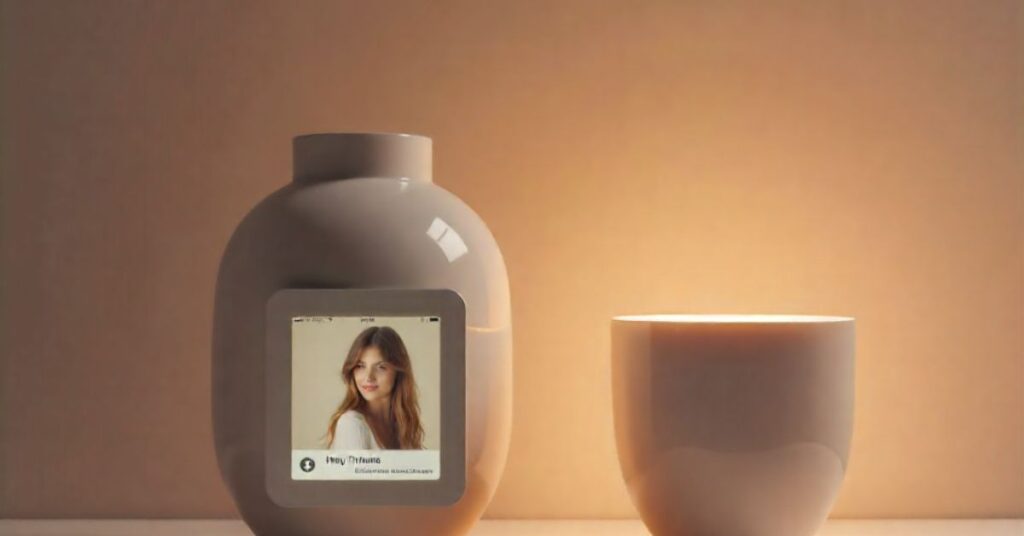
Smart urns blend modern design with connected technology. These urns can display:
- Digital screens with real-time tributes
- Messages from family
- Location tracking (for mobile urns or burial spots)
Features of 2025 Smart Urns:
| Feature | Benefit |
|---|---|
| NFC Connectivity | Tap to access digital memorial |
| Temperature Sensors | Preserve ash environment integrity |
| LED Memorial Display | Tribute streaming and photos |
| Biometric Security | Restricted access to data/memory |
As part of modern inurnment, these urns bring interactivity, heritage documentation, and even remote visitation for families spread across countries.
Blockchain for Proof of Identity & Legacy
Blockchain has entered the memorial space to ensure immutability and privacy of personal after-death data.
Blockchain in Inurnment:
- Secure storing of death certificates, obituaries, and last wishes
- NFTs of heirloom content like family recipes, songs, letters
- Smart contracts that release memorial messages on designated anniversaries
Trusted Networks in 2025:
Projects like LegacyChain allow families to create authenticated memory chains for their lineage, preserving identity without fears of hacking or alteration.
This decentralization builds trust in digital inurnment processes, especially for legal inheritance and guardianship data.
Virtual Cemeteries and Augmented Reality Gravesites
Virtual cemeteries are growing rapidly, allowing users to build fully immersive 3D memorial environments in the metaverse.
Benefits:
- Location-agnostic mourning—visit graves from anywhere
- Tailored experience—customized by culture, religion, or personal memory
- Augmented overlays—AR glasses show family tree, videos, or messages when visiting the physical site
Example Platform:
Evergrave AR lets families walk through digital overlay cemeteries using AR. A loved one’s full life story is embedded into the real world, honoring both tradition and technology.
Ethical Data Storage & Privacy of Memorial Content
With digital inurnment comes vast quantities of personal data. The ethical considerations are urgently being addressed in 2025:
- Where is your loved one’s data stored after death?
- Who has access?
- Can it be transferred or inherited?
Data Ethics Checklist (2025):
| Factor | Yes/No | Recommendation |
|---|---|---|
| GDPR/CCPA Compliant | ✔ | Use certified platforms |
| Biometric Consent | ✔ | Document pre-death |
| Data Portability | ✔ | Enable for legal heirs |
Tech companies must now guarantee transparent privacy policies, including a “digital afterlife clause” in user agreements.
The Role of DNA Storage in Digital Legacy
DNA data storage is now being explored as an ultra-durable method of preserving one’s identity. Unlike cloud, DNA can last centuries without degradation.
How it’s Used in 2025:
- Store short video clips, text, or photos in DNA sequences
- Encoded ash-based storage for hybrid digital inurnment
- Ultra-compact memory—1 gram of DNA stores ~215 petabytes
Why It Matters: Your memories, encrypted in your own DNA, enable a biological record of life that surpasses even silicon innovation—offering an eternal inurnment option.
Green Tech and Sustainable Inurnment Practices
As climate awareness rises globally, eco-conscious memorial options are now in focus.
Eco-Friendly Innovations:
- Biodegradable urns infused with plant seeds (turn ashes into trees)
- Cremation by water (aquamation) using ~90% less carbon
- Solar-powered smart urns to offset carbon footprint
| Method | Carbon Emission | Eco Score (1–5) |
|---|---|---|
| Traditional Cremation | High | 2 |
| Aquamation | Low | 4.5 |
| Tree-Based Urns | Neutral | 5 |
These are redefining the inurnment process with green-tech alignment and spiritual symbolism.
Future Innovations: What Inurnment May Look Like in 2030
Looking ahead, experts project an even more AI-integrated and spatially decentralized model of inurnment.
Coming Trends:
- Holographic Grievers powered by emotion-capture technology
- Quantum-preserved consciousness simulations
- Interstellar urns—cremains sent to space as memorial satellites
The concept of “final resting place” may evolve into multi-location, interactive, and time-expanded remembrances—deeply merging human emotion with computational memory and experiential VR.
Frequently Asked Questions (FAQs)
What is inurnment in cremation?
Inurnment means placing cremated ashes into an urn, often followed by storage in a columbarium or kept with family.
Is inurnment the same as burial?
No. Burial (interment) involves placing a body or urn in the ground, while inurnment refers specifically to containment in an urn.
Can ashes be inurned digitally?
Yes, in 2025, inurnment can include digital memorials, AI avatars, virtual tributes, and cloud-stored identities.
Are smart urns safe?
Yes, leading smart urns include encryption, biometric locks, and ethical data controls.
How long does inurnment last in digital form?
With blockchain and DNA storage, digital inurnments can last indefinitely, potentially hundreds of years.
Conclusion
The meaning of inurnment is evolving, blending centuries-old customs with groundbreaking technologies in 2025. Whether you are navigating grief, planning a legacy, or innovating in tech, understanding how digital tools now honor human memory is vital.
Families, funeral professionals, developers, and policymakers must collaborate to ensure these tools remain ethical, accessible, and respectful. As we move forward, inurnment is no longer just about where we rest—it’s about how we are remembered.