Introduction
In today’s fast-evolving world of digital education, learning platforms have become critical to academic success. RMIT Canvas stands as the central digital learning hub for students at RMIT University—a cloud-based, user-friendly platform designed to streamline assessments, feedback, course materials, and collaboration.
Since its adoption, RMIT Canvas has transformed how students engage with their coursework, integrating seamlessly with tools like Microsoft Teams, Turnitin, and Office 365. Whether you’re starting your first semester or looking to better manage your online learning, mastering Canvas is pivotal.
This article demystifies RMIT’s Canvas system by offering useful insights, expert tips, and practical guidance to help students, staff, and educators get the most out of the platform in 2025.
What is RMIT Canvas?
Canvas is RMIT University’s official Learning Management System (LMS), replacing Blackboard with a more modern, flexible, and intuitive platform. Developed by Instructure, Canvas is widely used by global institutions to create dynamic, interactive learning environments.
At RMIT, Canvas allows students to:
- Access study materials anytime, anywhere.
- Submit assessments and receive grades.
- Communicate with peers and educators.
- Collaborate on group assignments.
- Stay informed about course updates and deadlines.
This system supports RMIT’s mission to deliver a seamless, tech-enhanced learning experience for both on-campus and online learners.
Key Features of the Canvas Platform
Canvas provides a robust set of tools tailored to the needs of RMIT students and staff. Below are some core features designed to enhance the learning experience:
- Modules Structure: Organizes content week-by-week or topic-by-topic.
- SpeedGrader: Simplifies grading for educators and delivers timely feedback.
- Discussion Boards: Promotes collaborative learning through forums.
- File Sharing: Upload and receive documents, PDFs, slides, and multimedia.
- Analytics & Reports: Tracks student progress, engagement, and performance.
| Canvas Feature | Description | Student Benefit |
|---|---|---|
| Modules | Structured content delivery | Easier navigation and study planning |
| Mobile App | iOS and Android support | Learning on-the-go |
| SpeedGrader | Streamlined feedback | Timely, consistent grading |
| Calendar | Integrated schedules | Track due dates efficiently |
Canvas isn’t just a passive information hub – it actively enhances student collaboration, self-management, and academic success.
Navigating the Dashboard & User Interface
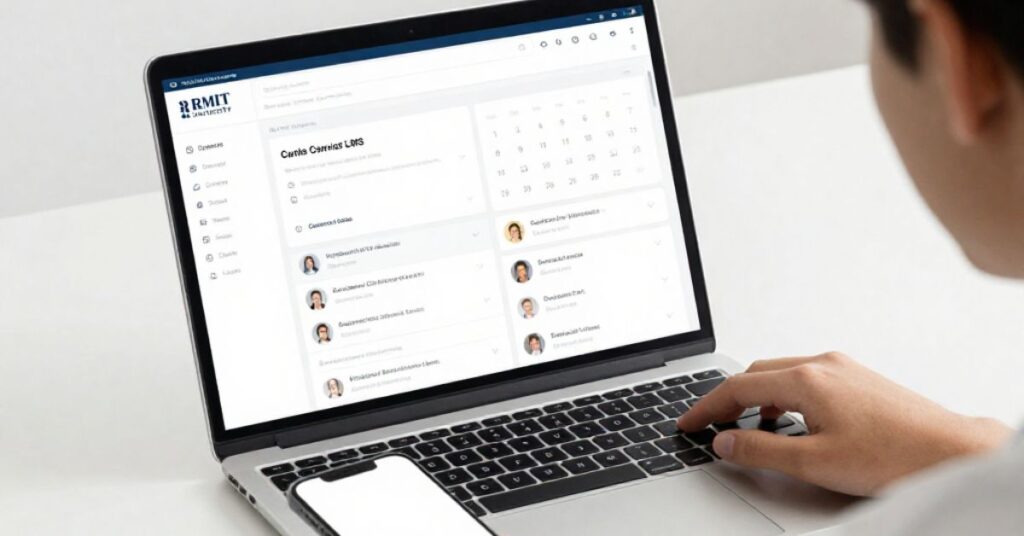
The Canvas dashboard acts as a student’s digital study desk. Upon login, users are greeted with a clear snapshot of all enrolled courses, upcoming deadlines, and course announcements.
- Global Navigation Bar: Quick access to Account, Calendar, Inbox, and Help.
- To Do List: Lists upcoming assignments and deadlines.
- Course Cards: Visual tiles for each subject, customizable with colors or emojis.
- Sidebar Shortcuts: Fast track to recent feedback, messages, and grades.
The UI prioritizes usability—minimal clicks, clear layouts, and accessibility standards make learning smoother and more efficient.
Accessing and Submitting Assignments
Submitting assignments is one of the primary interactions on Canvas. RMIT students can use a variety of formats and tools to upload documents, links, media recordings, or participate in quizzes.
Submission Process at a Glance:
- Go to your course > Assignments.
- Click on the required task.
- Review the criteria and rubrics.
- Upload your file or input your response.
- Click Submit – you’re done!
Note: Integration with Turnitin for plagiarism detection is active on major assignments, ensuring academic integrity.
| Grade Visibility | Feedback Options | Notifications |
|---|---|---|
| Real-time (post review) | Inline comments via SpeedGrader | Email & Canvas inbox |
Canvas also allows resubmissions where instructors permit it, reducing administration and increasing learning flexibility.
Communication Tools: Announcements, Messages & Discussions
Effective communication is essential in blended and online learning. Canvas integrates multiple channels to keep students updated and connected.
- Announcements: Posted by lecturers, visible on the dashboard and via email.
- Inbox (Canvas Conversations): Direct messaging between peers and faculty.
- Discussion Boards: Forum-style threads for topic collaboration.
Why It Matters for Students:
- Never miss a due date or change in project scope.
- Get quick clarifications from tutors or classmates.
- Participate in asynchronous class discussions to build deeper understanding.
LSI-related terms like “course messaging tools” or “peer chat functions” align with this component of learning engagement.
Integration with External Apps and Tools
2025 brings deeper integration between Canvas and external apps, making it a hub for holistic digital learning.
- Microsoft 365 and Teams: Collaborate on shared Word, Excel, and PowerPoint files.
- Google Drive Integration: Sync documents easily.
- LinkedIn Learning: Access professional development directly.
- Zoom and MS Teams: Seamless virtual classes and meetings.
These integrations empower both students and educators to adopt real-world tech tools that complement academic workflows.
Mobile Access and Multi-Device Usability
In an age where mobile-first learning is more common than ever, Canvas meets students where they are—on smartphones, tablets, and wearables.
Canvas Student App (2025 Update):
- New UI improvements for quicker assignment tracking.
- Biometric login and push notifications.
- Integrated video playback for lecture recordings.
Device Compatibility Test Summary
| Device | Compatibility | Notable Features |
|---|---|---|
| Android | Fully Supported | Push Notifications, Offline Access |
| iOS | Fully Supported | Siri Shortcuts, iCloud Integration |
| Laptop/Desktop | Full Version | Complete Function Access |
Students aren’t confined to their desks. Even during commutes or breaks, they’re always connected.
Customizing Notifications and Calendar Features
Canvas provides a high degree of personalization through its Notification Preferences and Calendar Tools.
How to Customize Notifications:
- Go to Account > Notifications.
- Choose how and when to receive updates (Email, SMS, Push).
- Set different preferences for each course.
The Canvas Calendar offers color-coded scheduling across courses. Students can:
- Add personal reminders.
- Sync with Google or Apple Calendars.
- Receive alerts prior to deadlines.
These productivity features are vital in managing university commitments efficiently.
Security, Accessibility & Data Privacy
RMIT and Canvas both prioritize digital safety and inclusivity.
Security Highlights:
- Single Sign-On (SSO): Secure login through RMIT ID.
- Two-Factor Authentication: Optional but recommended.
- Encrypted Data Storage: Compliance with GDPR and local Australian privacy laws.
Accessibility Compliance:
- WCAG 2.1 AA standards.
- Screen reader support.
- Closed captions and transcript features for videos.
Trustworthiness Element: Canvas earns ISO/IEC 27001 certification, reinforcing its position as a secure educational platform.
Expert Tips for Maximizing Productivity on Canvas
Here are tech-savvy strategies from educators and digital learning specialists to help students stay on top:
Pro Tips:
- Use Modules View: Skip unnecessary clicks by bookmarking modules.
- Turn on Weekly Notifications: Stay informed without daily clutter.
- Test assignment submissions early: Don’t wait until the last minute.
- Attend recorded orientation webinars on RMIT Canvas homepage.
- Utilize peer collaboration tools: Group Pages and editable documents boost your project outcomes.
These tactics, while simple, make a notable difference in student organization and performance.
FAQs
What is RMIT Canvas used for?
It’s the digital platform where students access courses, submit assignments, and communicate with instructors.
How do I log into RMIT Canvas?
Visit canvas.rmit.edu.au and sign in using your RMIT credentials.
Can I use Canvas on my phone?
Yes, download the Canvas Student app on iOS or Android for full mobile access.
Where can I find my assignments?
Go to your course page → click on Assignments or check the To Do section.
Is Canvas data secure?
Yes, it meets international security protocols including data encryption and privacy compliance.
Conclusion
In 2025, mastering digital platforms like RMIT Canvas is essential to navigating academic life with efficiency and confidence. Whether you’re downloading lecture slides, submitting assignments, or collaborating on group projects, Canvas supports every aspect of learning in one place. With its reliable integrations, mobile support, and user-first design, it’s more than a tool—it’s a foundational pillar of the RMIT learning journey.
Actionable CTA:
If you’re new to Canvas or looking to improve your class performance, log in today and explore the Canvas Orientation module in your dashboard.